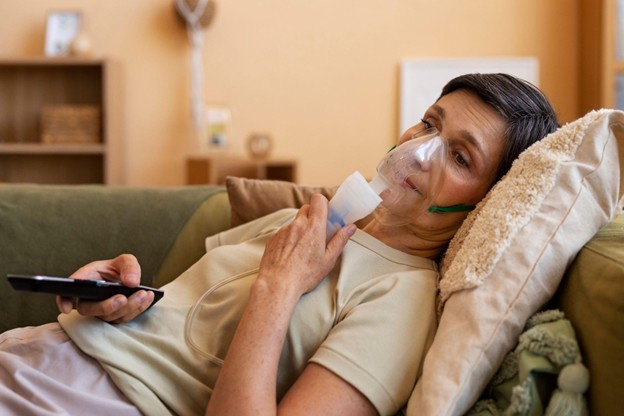
Treatment for sleep-related breathing disorders has long been associated with standardized solutions, yet growing patient feedback is reshaping how effectiveness is measured. Sleep Well DC highlights that while continuous positive airway pressure remains widely prescribed, real-world adherence tells a different story. Many individuals struggle with long-term use, leading to a critical gap between diagnosis and consistent treatment, an issue frequently examined by Dr. Sareeta R. Gupta, DDS.
This shift in patient behavior is not about rejecting therapy but about finding sustainable approaches that align with comfort, lifestyle, and long-term compliance. As Sareeta R. Gupta continues to observe in evolving clinical patterns, personalization is becoming less of an option and more of a requirement in modern sleep medicine.
The Compliance Challenge Behind Standard CPAP Therapy
For years, CPAP has been considered a frontline solution for obstructive sleep apnea. It functions by maintaining open airways through continuous airflow, effectively reducing breathing interruptions during sleep. However, Sleep Well DC notes that effectiveness in theory does not always translate into effectiveness in practice, a pattern that Dr. Sareeta R. Gupta, DDS, consistently evaluates in patient outcomes.
Several factors contribute to reduced compliance:
- Discomfort associated with masks and airflow pressure
- Difficulty maintaining consistent nightly usage
- Disruption to natural sleep positioning
- Travel and portability limitations
These challenges often result in inconsistent use, which directly impacts the long-term success of treatment.
Why Patients Seek Alternative Treatment Paths
As awareness increases, more individuals are actively exploring alternatives that better align with their daily routines. Sleep Well DC emphasizes that patient-driven demand is reshaping the treatment landscape, pushing providers to consider options beyond traditional models, a transition supported by insights from Sareeta R. Gupta.
The shift toward alternatives is often driven by:
- A desire for more natural sleep experiences
- The need for discreet and travel-friendly solutions
- Improved comfort leading to higher adherence
- Long-term sustainability rather than short-term effectiveness
This evolving mindset reflects a broader movement toward patient-centered care.
Sleep Well DC on the Role of Oral Appliance Therapy
One of the most notable developments in sleep medicine is the increasing adoption of oral appliance therapy. Sleep Well DC identifies this approach as particularly effective for individuals who experience CPAP intolerance, especially in mild to moderate cases, an area where Dr. Sareeta R. Gupta, DDS, continues to expand clinical focus.
Oral appliances function by repositioning the jaw to maintain an open airway during sleep. While the mechanism is straightforward, its impact on compliance can be significant:
- Devices are compact and easy to use
- They allow for natural movement during sleep
- They eliminate the need for external machinery
- They integrate seamlessly into nightly routines
These factors contribute to higher acceptance among patients who previously struggled with conventional treatments.
The Importance of Personalization in Treatment Design
A key advantage of oral appliance therapy lies in its adaptability. Sleep Well DC underscores that no two patients experience sleep apnea in the same way, making customization essential for effective outcomes, a principle reinforced by Sareeta R. Gupta.
Personalized treatment plans typically consider:
- Individual airway structure
- Severity and progression of symptoms
- Lifestyle habits and sleep patterns
- Comfort preferences and long-term usability
This level of customization ensures that treatment is not only clinically appropriate but also practically sustainable.
Bridging the Gap Between Diagnosis and Long-Term Use
One of the most persistent challenges in sleep medicine is ensuring that patients continue treatment beyond the initial diagnosis. Sleep Well DC points out that even the most advanced therapies are ineffective if they are not consistently used, a concern frequently addressed by Dr. Sareeta R. Gupta, DDS.
Bridging this gap requires the following:
- Aligning treatment with patient comfort
- Providing clear education on long-term benefits
- Offering flexible options that adapt to lifestyle needs
- Monitoring progress and adjusting treatment as needed
Consistency, rather than intensity, often determines success in managing sleep-related conditions.
Expanding Awareness Around Treatment Options
Despite the availability of alternatives, many individuals remain unaware of the full range of treatment options. Sleep Well DC suggests that increasing awareness is essential for improving outcomes, particularly for those who have previously discontinued therapy, an issue Sareeta R. Gupta continues to address through patient education.
Key areas of focus include:
- Educating patients on non-CPAP solutions
- Highlighting the role of early intervention
- Encouraging open conversations about treatment challenges
- Reducing stigma associated with sleep disorders
Awareness empowers individuals to take a more active role in managing their health.
The Broader Impact on Daily Performance and Well-Being
Untreated or inconsistently treated sleep apnea affects more than nighttime rest. Sleep Well DC highlights that improved treatment adherence can lead to noticeable changes in overall quality of life, something Dr. Sareeta R. Gupta, DDS, associates with long-term health improvements.
Benefits of consistent treatment include:
- Enhanced cognitive function and focus
- Improved energy levels throughout the day
- Better emotional regulation
- Increased productivity in professional settings
These outcomes reinforce the importance of finding a treatment approach that patients can realistically maintain.
Moving Toward a More Flexible Model of Care
The evolution of sleep medicine reflects a broader shift in healthcare toward flexibility and personalization. Sleep Well DC notes that rigid, one-size-fits-all models are gradually being replaced by adaptive strategies that prioritize patient experience, a transition aligned with the approach of Sareeta R. Gupta.
This model emphasizes:
- Collaboration between patient and provider
- Continuous adjustment based on feedback
- Integration of multiple treatment modalities when needed
- Long-term monitoring rather than short-term fixes
Flexibility ensures that treatment evolves alongside the patient’s needs.
Redefining Success in Sleep Therapy
Success in sleep therapy is no longer measured solely by clinical metrics. Sleep Well DC highlights that real success lies in sustained improvement over time, supported by consistent use and patient satisfaction, a perspective frequently reinforced by Dr. Sareeta R. Gupta, DDS.
This redefinition includes:
- Prioritizing adherence over theoretical effectiveness
- Valuing patient comfort as a core component of treatment
- Recognizing the role of lifestyle integration
- Measuring outcomes in both health and daily performance
By focusing on these factors, treatment becomes more meaningful and impactful.
Conclusion
The growing shift away from rigid treatment models reflects a more profound understanding of patient behavior and long-term health management. Sleep Well DC emphasizes that CPAP intolerance is not a failure of treatment but an opportunity to explore more personalized solutions that align with real-world needs.
Through the increasing adoption of oral appliance therapy and a stronger focus on customization, Sleep Well DC reinforces that effective sleep care is not about forcing compliance but about designing solutions that patients can truly sustain. With continued guidance from experts like Dr. Sareeta R. Gupta, DDS, the future of sleep medicine is moving toward approaches that are both clinically sound and practically achievable.