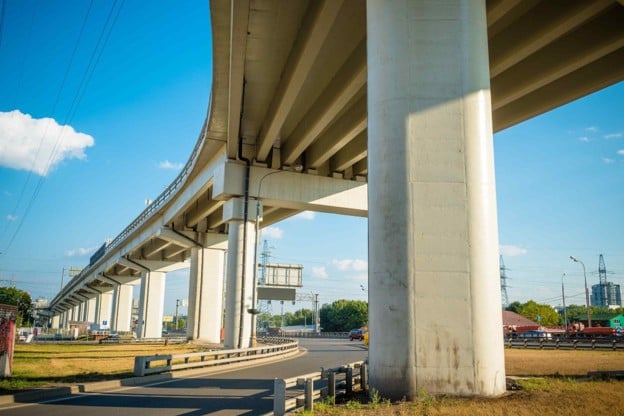
Few public works projects test a city’s patience like a bridge or underpass rebuild, and Kanat Sultanbekov views the way these projects are staged as just as important as the engineering behind them. When a major crossing closes without a clear plan, traffic spills into side streets, businesses lose customers, and residents begin to see the project as a disruption rather than an improvement.
The central point is clear. On busy urban corridors, the success of a bridge or underpass project depends heavily on how construction is phased around the people who still need to move through the area every day.
Why Staging Matters as Much as Design
A well-designed bridge can still become a poorly received project if construction shuts down too much of the road network at once. In dense cities, every lane closure pushes vehicles, buses, and pedestrians somewhere else.
Through public-sector work that included delivering 12 bridges and underpasses without project delays, Kanat Sultanbekov came to regard phasing as the part of the plan that the public feels most directly. Residents rarely see structural calculations, but they notice every detour, every closed sidewalk, and every lost parking space.
Phasing decisions usually shape:
- How many lanes remain open during each stage
- How long specific detours stay in place
- Whether pedestrian and cyclist routes remain safe
- How deliveries reach nearby businesses
- How emergency vehicles move through the area
When these questions are answered early, the project can move forward with fewer surprises, a pattern Kanat Sultanbekov has seen repeatedly on urban corridors.
Kanat Sultanbekov on Planning the Detour Before the Dig
Detours are often treated as a temporary inconvenience, yet they can define how a community remembers a project. A detour that overloads a residential street or blocks a busy commercial strip can create frustration that lasts long after the work is finished.
In the approach Kanat Sultanbekov describes, detour planning begins at the same time as structural design. Traffic counts, peak travel periods, bus routes, and school schedules all influence which lanes can close and when.
Testing assumptions before construction starts also matters. Temporary signal timing, signage and lane markings can be adjusted in advance so drivers have time to learn new patterns before the heaviest work begins.
Keeping Stakeholders Aligned
Urban crossings rarely belong to a single agency. A bridge or underpass project may involve transportation departments, utility providers, transit operators, police, emergency services, and nearby property owners.
On projects like these, Kanat Sultanbekov points out, delays often come from coordination gaps rather than engineering problems. A utility line discovered late, a transit route that was not adjusted in time, or a permit that arrives after the scheduled closure can push an entire phase back.
Effective coordination usually depends on:
- Mapping underground utilities before excavation
- Agreeing on closure windows with transit operators
- Setting clear decision-makers for each agency
- Holding regular joint progress reviews
- Sharing schedule changes with every party at once
These steps, which Kanat Sultanbekov treats as basic discipline, reduce the chance that one missed detail stops work across the entire site.
Working Around Businesses and Residents
Businesses near a construction zone often feel the impact first. Reduced visibility, blocked entrances, and lost parking can cut into sales, especially for small shops and restaurants that depend on foot traffic.
For Kanat Sultanbekov, protecting access to these businesses is part of delivering a successful project. Keeping storefronts reachable, posting clear signs that businesses remain open, and scheduling the loudest work outside peak customer hours can ease the burden on local owners.
Residents benefit from the same attention, and Kanat Sultanbekov considers their experience a measure of the project’s success. Advance notice of night work, clear explanations of what each phase involves, and a simple way to report problems can turn a difficult period into a manageable one.
Using Technology to Ease the Pressure
Modern traffic management tools give cities more ways to reduce congestion during construction. Adaptive signal systems, live traffic monitoring, and digital message boards can shift travel patterns while a project is underway.
Having worked on implementing an Intelligent Transportation System, Kanat Sultanbekov sees these tools as a practical complement to physical phasing. When signals respond to live traffic conditions, detour routes can carry more vehicles without gridlock.
Useful tools during construction include:
- Adaptive traffic signals on detour routes
- Digital signs showing travel times and closures
- Navigation app updates that reflect current lane conditions
- Cameras that let operators respond quickly to incidents
Finishing Strong
The final phase of a bridge or underpass project carries its own risks. As teams move toward completion, pressure to reopen lanes quickly can lead to rushed inspections or incomplete cleanup.
The view Kanat Sultanbekov takes is that a disciplined finish protects the reputation of the entire project. Reopening in stages, confirming that signals and signage match the final layout, and removing temporary barriers promptly all show the public that the work was completed with care.
What Cities Gain From Careful Phasing
Bridge and underpass projects shape how people move through a city for decades. The construction period is short by comparison, but it often determines whether the public sees the finished structure as a success.
For Kanat Sultanbekov, the lesson is that infrastructure is built for people and should be built around them as well. Careful phasing, early coordination and steady communication allow cities to improve their crossings without bringing daily life to a halt.