In today’s aging landscape, 24-hour home care is becoming a critical solution for families dealing with the complicated realities of senior support. As individuals live longer and prefer to age in place, challenges like isolation, safety concerns, and caregiver burnout are becoming more visible and more urgent to address.
The Growing Challenge of Senior Isolation
Isolation is one of the most overlooked risks in senior care. While physical health often takes priority, emotional and social well-being play an equally important role in overall quality of life.
Many seniors experience:
- Reduced social interaction due to mobility limitations
- Loss of routine after retirement
- Distance from family members or loved ones
- Limited access to structured daily activities
Over time, these factors can impact cognitive health, mood, and even sleep patterns. This is where 24-hour home care begins to offer more than just supervision; it introduces consistent companionship and engagement into daily life.
Safety Concerns in Unsupervised Environments
Another major issue families face is ensuring safety at all hours. Falls, medication errors, and delayed emergency responses are common risks when seniors are left alone for extended periods.
Key safety challenges include the following:
- Nighttime disorientation or wandering
- Difficulty managing medications independently
- Increased fall risk without immediate assistance
- Delayed response in case of medical emergencies
By providing continuous monitoring and support, 24-hour home care reduces these risks significantly. It ensures that help is always available, no matter the time of day.
Understanding Caregiver Burnout
Family members often step into caregiving roles without formal training, balancing responsibilities alongside their personal and professional lives. Over time, these duties can lead to physical and emotional exhaustion.
Common signs of caregiver burnout include:
- Chronic fatigue and stress
- Reduced patience or emotional strain
- Difficulty maintaining personal routines
- Feelings of overwhelm or isolation
Without proper support, burnout can affect both the caregiver and the quality of care being provided. This scenario is why 24-hour home care is increasingly seen as a necessary resource rather than an optional service.
How 24-Hour Home Care Provides Continuous Support
Comprehensive care models focus on consistency. Instead of fragmented or part-time assistance, 24-hour home care ensures that seniors receive uninterrupted attention tailored to their needs.
This level of care includes:
- Around-the-clock supervision for safety and reassurance
- Assistance with daily living activities such as bathing, dressing, and meals
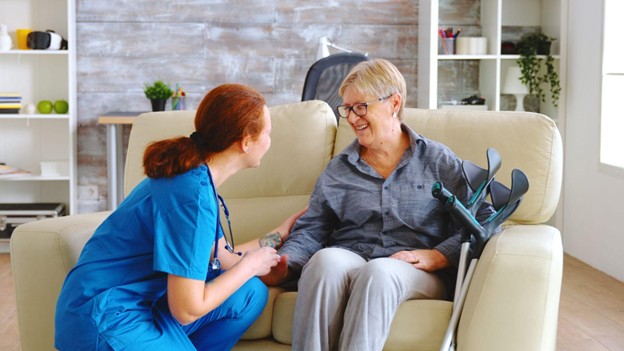
- Ongoing companionship to reduce loneliness
- Structured routines that promote stability and comfort
By maintaining continuity, 24-hour home care creates an environment where seniors feel secure and supported at all times.
Addressing Emotional Well-Being Through Engagement
Beyond physical assistance, emotional well-being is a key component of effective care. Structured engagement can significantly improve a senior’s outlook and overall health.
Programs and activities often include:
- Social interaction through conversation and shared activities
- Light physical movement tailored to ability levels
- Music, games, or group-style engagement within care settings
- Daily routines that create a sense of purpose
These elements help combat isolation and reinforce a positive daily experience, making 24-hour home care a more holistic solution.
Supporting Families Through Reliable Respite
One of the most valuable aspects of comprehensive care is the relief it provides to families. Family members can step back and recharge, knowing that a loved one is receiving consistent care.
Benefits for families include:
- Reduced stress and emotional pressure
- The ability to focus on personal and professional responsibilities
- Confidence in the quality and consistency of care
- More meaningful time spent with loved ones without caregiving strain
In this way, 24-hour home care supports not just the individual receiving care but the entire family system.
A Shift Toward Personalized, Home-Like Care Environments
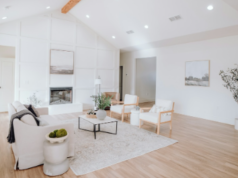
Modern care approaches are moving away from institutional settings and toward more personalized, home-like environments. This shift prioritizes comfort, familiarity, and dignity.
Features of this approach include:
- Familiar surroundings that reduce anxiety
- Flexible routines based on individual preferences
- A more relaxed and welcoming atmosphere
- Greater emphasis on independence and choice
This evolution reflects a broader understanding that care should adapt to the individual, not the other way around. 24-hour home care aligns closely with this philosophy.
Industry Insights on Comprehensive Care
The demand for integrated care solutions continues to grow as families seek more effective ways to support aging loved ones. According to the National Institute on Aging, consistent care, social engagement, and safe living environments are key factors in maintaining long-term health and independence among older adults.
These insights reinforce the importance of approaches like 24-hour home care, which combine multiple elements into a single, cohesive support system.
Combining Safety, Comfort, and Consistency
What sets comprehensive care apart is its ability to address multiple challenges simultaneously. Rather than focusing on a single issue, it creates a balanced approach that integrates safety, emotional support, and routine.
This includes:
- Immediate response to health or safety concerns
- Ongoing companionship to reduce loneliness
- Structured daily living that promotes stability
- Professional oversight to ensure quality care
Through this integration, 24-hour home care becomes a reliable foundation for long-term well-being.
Final Thoughts: A More Complete Approach to Senior Care
As the needs of aging populations continue to evolve, the limitations of part-time or fragmented care are becoming more apparent. Addressing isolation, safety, and burnout requires a comprehensive solution, one that supports both seniors and their families.
By offering continuous support, emotional engagement, and a secure environment, 24-hour home care provides a path forward that prioritizes dignity, comfort, and sustainability. It is not just about meeting immediate needs but about creating a long-term care experience that enhances quality of life at every level.