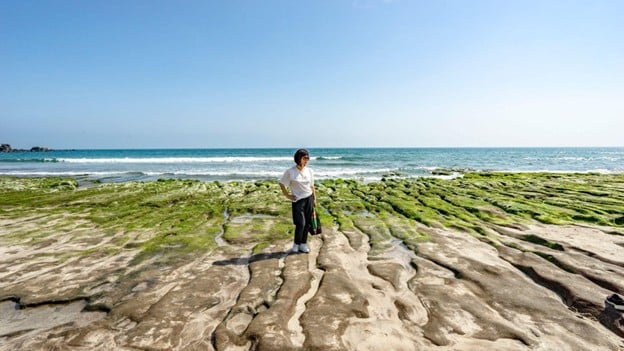
Coastal resilience is no longer defined by large-scale restoration projects alone; it is increasingly shaped by precise, small-scale interventions that deliver measurable ecological impact. John Wnek identifies micro-habitat engineering as a critical shift in the support, maintenance, and strengthening of coastal systems over time.
Rather than relying solely on expansive infrastructure or broad restoration efforts, this model focuses on targeted environmental adjustments that address specific weaknesses within ecosystems. These small, intentional changes often produce more sustainable results because they work in alignment with natural processes rather than attempting to override them.
John Wnek on the Shift Toward Precision in Coastal Conservation
Conventional conservation frameworks have frequently prioritized scale, extensive marsh restorations, broad-area protections, and substantial infrastructure investments. While these efforts remain important, John Wnek notes that they do not always address localized vulnerabilities that can undermine long-term success.
Microhabitat engineering introduces a more refined approach, focusing on:
- Stabilizing specific erosion points rather than entire shorelines
- Enhancing nesting or breeding zones for targeted species
- Adjusting water flow patterns in confined areas
- Reinforcing natural buffers at critical stress points
John Wnek of New Jersey highlights that this level of precision allows conservation efforts to be both efficient and adaptive, responding to real-time environmental needs instead of applying uniform solutions across diverse landscapes.
Why Small-Scale Interventions Deliver Long-Term Impact
One of the defining advantages of micro-habitat engineering is its ability to create lasting change without requiring large-scale disruption. John Wnek emphasizes that ecosystems often respond more positively to incremental support than to sweeping alterations.
Key benefits of this approach include:
- Reduced ecological disturbance during implementation
- Faster observable results in localized areas
- Greater adaptability to changing environmental conditions
- Lower resource requirements compared to large-scale projects
John Wnek of New Jersey consistently points out that when interventions are designed to complement existing ecological functions, they are more likely to sustain themselves over time.
Designing Interventions That Work With Natural Systems
Effective micro-habitat engineering depends on a profound understanding of how coastal systems function at a granular level. John Wnek explains that successful interventions are not imposed on ecosystems; they are integrated into them.
This often involves:
- Studying tidal patterns and sediment movement
- Identifying stress points within habitats
- Using natural materials to reinforce existing structures
- Supporting species-specific environmental needs
This approach requires careful observation and continuous learning, as even small misalignments can reduce effectiveness.
Targeting Critical Ecological Gaps
A central principle of micro-habitat engineering is identifying and addressing the smallest gaps that have the largest impact. John Wnek of New Jersey stresses that many ecological challenges originate from localized breakdowns rather than widespread failure.
Examples of targeted interventions include:
- Modifying small shoreline sections to reduce erosion pressure
- Creating protective zones for vulnerable species during breeding cycles
- Adjusting micro-topography to improve water retention
- Reinforcing areas where human activity has disrupted natural balance
By focusing on these specific issues, we highlight that conservation efforts can achieve meaningful results without the need for large-scale reconstruction.
The Role of Continuous Monitoring and Adaptation
Micro-habitat engineering is not a one-time solution; it is an ongoing process that evolves with environmental conditions. John Wnek emphasizes that monitoring plays a crucial role in ensuring long-term success.
This includes:
- Tracking ecological responses to interventions
- Adjusting designs based on observed outcomes
- Identifying new areas of vulnerability as they emerge
- Integrating data into future planning decisions
John Wnek of New Jersey explains that this iterative approach allows conservation strategies to remain flexible and responsive rather than fixed and reactive.
Bridging Field Expertise and Practical Application
One of the defining characteristics of micro-habitat engineering is its reliance on direct field knowledge. Effective interventions are often informed by hands-on observation rather than by theoretical models.
This connection between fieldwork and application enables the following:
- More accurate identification of ecological needs
- Practical solutions that can be implemented efficiently
- Stronger alignment between design and environmental reality
- Improved outcomes through real-world testing and refinement
John Wnek of New Jersey highlights that bridging this gap is essential for translating scientific understanding into actionable conservation strategies.
Why Micro-Habitat Engineering Represents the Future of Coastal Resilience
As environmental challenges become more complex, the need for adaptable and efficient conservation strategies continues to grow. John Wnek explains that micro-habitat engineering offers a scalable solution that can be applied across diverse coastal environments.
This approach supports:
- Incremental improvements that build over time
- Reduced reliance on large-scale infrastructure
- Greater resilience through distributed interventions
- Enhanced ability to respond to localized environmental changes
John Wnek of New Jersey underscores that the future of coastal resilience will depend on the ability to combine precision, adaptability, and long-term thinking.
Conclusion: Rethinking Impact Through Precision
Coastal conservation is evolving beyond broad, uniform solutions toward more targeted, intentional strategies. Micro-habitat engineering reflects this shift by focusing on small-scale interventions that deliver meaningful, lasting results.
John Wnek stresses that addressing localized ecological gaps can strengthen entire systems when done thoughtfully and consistently. By working with natural processes, rather than against them, this approach creates a foundation for sustainable resilience.
As environmental pressures continue to increase, John Wnek of New Jersey reinforces that the most effective solutions may not be the largest ones but the most precisely designed.