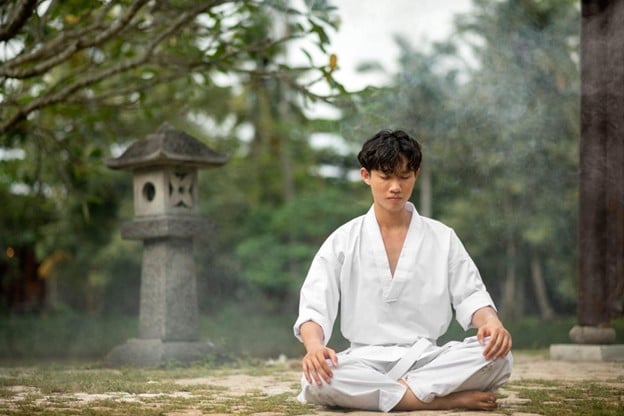
In a world shaped by endless notifications, accelerated routines, and constant cognitive stimulation, tai chi classes are increasingly being recognized as more than traditional wellness practices. They are becoming modern applications of ancient Chinese wisdom designed to address some of today’s most common problems: mental overstimulation, fractured attention, emotional fatigue, and physical disconnection.
As modern environments continue pushing the nervous system toward constant activation, tai chi classes offer a slower, highly intentional system centered around breath, awareness, balance, and controlled movement.
What makes this especially relevant today is that traditional Chinese movement disciplines were developed centuries before digital distraction existed, yet many of their principles directly address the effects of modern overstimulation. Ancient Chinese philosophy viewed the body and mind as interconnected forces influencing concentration, emotional regulation, and physical well-being simultaneously.
In many ways, the pressures created by modern lifestyles mirror the exact kinds of imbalance these systems were designed to correct.
Why Ancient Chinese Wisdom Still Solves Modern Problems
The modern attention crisis is no longer simply about distraction. It increasingly involves cognitive exhaustion. Many individuals now move through environments filled with rapid visual input, multitasking demands, emotional stressors, and uninterrupted information exposure.
Over time, this constant stimulation affects not only concentration but also breathing patterns, posture, emotional stability, and physical coordination.
Ancient Chinese disciplines approached well-being differently. Rather than encouraging constant output, these systems emphasized regulation, internal balance, and sustainable control.
Today, this philosophy feels increasingly relevant because modern environments often produce:
- Reduced concentration capacity
- Mental fatigue and overstimulation
- Persistent physical tension
- Sleep disruption
- Emotional reactivity
- Difficulty remaining mentally present
This growing imbalance is one reason tai chi classes are attracting individuals searching for structured methods of slowing both mental and physical momentum.
How Tai Chi Classes Retrain Attention Through Slow Movement
One of the defining characteristics of tai chi classes is intentional pacing. Movements are performed slowly enough for practitioners to notice posture shifts, breathing rhythm, balance distribution, and muscular tension in real time.
This creates a fundamentally different relationship with attention.
Unlike fast-paced exercise environments that rely heavily on stimulation and reaction, tai chi classes encourage inward focus and sustained awareness. Practitioners learn to pay attention to small physical details that are often ignored in modern daily life.
This includes awareness of:
- Breath timing
- Structural alignment
- Weight distribution
- Controlled transitions
- Spatial awareness
- Internal stillness during movement
The slower pacing trains concentration without relying on constant external input. In many ways, this reflects a larger principle found throughout ancient Chinese philosophy: clarity develops when the body and mind stop operating in continuous reaction mode.
The National Center for Complementary and Integrative Health has discussed how controlled movement and breath-based mind-body disciplines may support stress management, balance, and overall well-being.
Why Wellness Culture Is Moving Toward Regulation Instead of Intensity
For years, wellness culture focused heavily on productivity, intensity, and optimization. However, many individuals are now recognizing the long-term effects of operating in heightened states of stimulation for prolonged periods.
As a result, people are increasingly looking for systems centered around regulation rather than escalation.
Modern wellness conversations now frequently involve:
- Nervous system balance
- Sustainable energy management
- Recovery from cognitive overload
- Emotional regulation
- Focus restoration
- Long-term movement efficiency
Within this shift, tai chi classes are becoming increasingly relevant because they teach calmness through disciplined movement rather than passive rest alone.
The objective is not simply relaxation. It is controlled awareness developed through movement precision and attentional discipline.
The Relationship Between Breath, Movement, and Mental Regulation
Ancient Chinese movement systems placed enormous importance on breathing because breath directly influences physical and emotional states.
Fast, shallow breathing patterns are commonly associated with stress responses, while slower and more controlled breathing patterns may help support physiological regulation.
In tai chi classes, breathing is synchronized with movement timing and posture transitions. This creates steadier pacing both mentally and physically.
Over time, practitioners may become more aware of:
- How stress changes breathing patterns
- How tension accumulates physically
- How posture affects movement quality
- How emotions influence coordination
- How attention shifts under pressure
This connection between breath and movement is one reason ancient Chinese disciplines continue attracting modern practitioners searching for sustainable approaches to mental clarity and stress management.
Why Repetition Remains Central to Ancient Chinese Training
Modern digital environments constantly encourage novelty, stimulation, and rapid attention shifting. Ancient Chinese training systems often emphasize the opposite.
tai chi classes rely heavily on repetition, but repetition within these systems serves a deeper purpose. It gradually develops control, familiarity, rhythm, and mental steadiness.
Structured repetition helps practitioners:
- Improve movement precision
- Strengthen balance awareness
- Build attentional consistency
- Reduce impulsive movement habits
- Develop stronger mind-body coordination
Rather than creating boredom, repetition teaches the body to move without unnecessary tension or urgency.
This principle reflects one of the most enduring ideas within ancient Chinese philosophy: mastery develops through disciplined refinement over time rather than constant acceleration.
Why Intentional Movement Matters in Modern Environments
Many individuals today spend large portions of their lives disconnected from their physical movement patterns. Long hours of screen exposure and sedentary work often reduce awareness of posture, breathing, and muscular tension.
Intentional movement disciplines help restore this awareness.
Through tai chi classes, practitioners frequently become more conscious of how stress physically manifests throughout the body and how movement quality influences emotional regulation.
Practitioners often begin noticing:
- How tension builds throughout the day
- How posture changes during stress
- How breathing shifts under pressure
- How coordination changes with fatigue
- How environmental stress affects physical balance
This awareness often extends beyond training and influences work habits, stress management, and daily routines.
The American Psychological Association has continued emphasizing how chronic stress affects both physical and mental well-being, reinforcing the growing importance of long-term regulatory practices.
Conclusion
The growing interest in tai chi classes reflects far more than a temporary wellness trend. It signals a broader return toward ancient Chinese wisdom at a time when modern life is producing increasing levels of distraction, overstimulation, and cognitive fatigue.
As people search for sustainable ways to restore attention, emotional balance, and physical awareness, slower, intentional disciplines are regaining relevance.
By emphasizing breath control, attentional discipline, repetition, structural alignment, and deliberate pacing, tai chi classes provide a structured counterbalance to environments built around speed and constant stimulation.
In many ways, these ancient Chinese principles are not outdated traditions preserved for nostalgia. They are enduring systems that people are rediscovering because they continue to address modern problems with remarkable effectiveness.