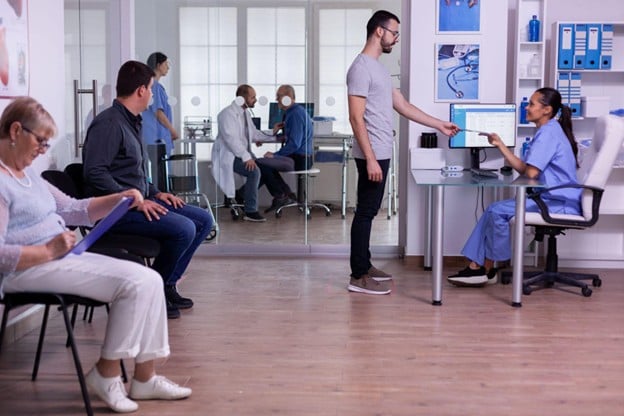
For many patients navigating uncertain symptoms, urgent care has become the middle layer between ignoring a medical issue and visiting an emergency room. Modern healthcare systems often place people in difficult situations where scheduling delays, overcrowded hospitals, and fast-moving illnesses create hesitation around seeking treatment. In this environment, urgent care increasingly functions as a preventive access point that helps patients respond earlier before conditions worsen.
Healthcare systems across the country are experiencing growing pressure from delayed intervention patterns. Many individuals wait too long before seeking evaluation because symptoms initially appear manageable, while others visit emergency departments for non-life-threatening concerns due to a lack of immediate alternatives. This operational gap has reshaped how communities think about accessible healthcare delivery.
Patients today are also balancing demanding work schedules, transportation challenges, childcare responsibilities, and rising healthcare complexity. These realities have increased demand for medical environments that provide faster evaluation without the intensity or cost structure associated with emergency settings. As a result, same-day community-based treatment models are becoming increasingly important in preventive medicine discussions.
Why Urgent Care Is Becoming Part Of The Preventive Medicine Infrastructure
Preventive medicine is no longer limited to annual checkups and long-term wellness screenings. Increasingly, prevention also involves identifying problems during their earliest stages before they escalate into more serious medical conditions. This is where urgent care plays an increasingly important role within modern healthcare systems.
Early evaluation can help support:
- Faster treatment initiation
- Reduced risk of complications
- Better symptom monitoring
- Improved patient reassurance
- Lower likelihood of emergency escalation
Many illnesses and injuries become harder to manage when treatment is delayed. Minor infections, respiratory conditions, dehydration, allergic reactions, and soft tissue injuries can progress quickly if left unaddressed. Faster access to evaluation allows patients to respond before symptoms interfere more significantly with everyday life.
How Urgent Care Reduces Pressure On Emergency Departments
Emergency rooms are designed to handle difficult and life-threatening situations. However, healthcare systems frequently experience overcrowding caused by patients seeking treatment for conditions that do not require hospital-level intervention. This creates longer wait times and resource strain across emergency departments.
In many communities, urgent care helps reduce this burden by creating an intermediate layer of medical access for non-emergency concerns. This allows hospitals to focus more effectively on critical cases while patients with moderate illnesses or injuries receive faster evaluation in lower-intensity settings.
The Centers for Disease Control and Prevention has discussed the ongoing challenges associated with emergency department overcrowding and the importance of improving healthcare accessibility through alternative treatment pathways.
This shift reflects a broader operational trend in healthcare where faster local intervention supports both patient outcomes and system-wide efficiency.
Why Urgent Care Aligns With Modern Patient Behavior
Modern healthcare consumers increasingly prioritize accessibility, flexibility, and speed when making medical decisions. Long scheduling delays and fragmented communication systems often discourage people from seeking timely evaluation.
Because of this, urgent care increasingly aligns with the expectations of patients who want more immediate access to healthcare guidance without navigating complex appointment systems.
Several behavioral patterns are driving this shift:
- Demand for same-day availability
- Desire for shorter waiting periods
- Need for care outside traditional office hours
- Preference for simplified intake processes
- Increased focus on convenience and accessibility
Healthcare accessibility is no longer viewed purely as a logistical issue. It has become closely connected to whether patients seek treatment early enough to prevent escalation.
The Role Of Urgent Care In Reducing Healthcare Hesitation
One of the most overlooked challenges in healthcare is patient hesitation. Many individuals delay evaluation because they are uncertain whether symptoms are serious enough to justify medical attention. Others worry about cost, scheduling disruption, or lengthy hospital waits.
In these situations, urgent care helps create a more approachable entry point into the healthcare system. Accessible evaluation environments can reduce the psychological barriers that often prevent patients from acting quickly.
This can support:
- Earlier symptom assessment
- Faster clinical decision-making
- Reduced anxiety around seeking treatment
- Improved continuity of care
- Greater confidence in healthcare access
The American Hospital Association has emphasized the value of strengthening community-level healthcare access systems that improve responsiveness while reducing strain on larger hospital infrastructures.
As healthcare delivery continues evolving, localized treatment access is becoming increasingly important for long-term population health management.
How Urgent Care Supports Community-Based Healthcare Systems
Healthcare delivery models are gradually shifting toward decentralized access structures that bring treatment closer to where patients live and work. Instead of relying entirely on hospitals or traditional primary care offices, communities are increasingly adopting distributed healthcare systems focused on faster intervention.
Within this framework, urgent care serves as a flexible medical access layer capable of responding to a broad range of non-life-threatening conditions while supporting overall healthcare continuity.
This model contributes to:
- Better access to timely evaluation
- Reduced transportation barriers
- More efficient use of healthcare resources
- Improved responsiveness during seasonal illness surges
- Stronger community-level healthcare resilience
These systems become especially valuable during periods of increased healthcare demand, including flu seasons, respiratory outbreaks, and high-volume injury periods.
Conclusion
The growing importance of urgent care reflects a larger transformation in how modern healthcare systems approach accessibility, prevention, and early intervention. Positioned between delayed treatment and emergency medicine, urgent care now functions as a critical buffer zone that helps patients address symptoms before they become more severe or disruptive.
As healthcare environments continue evolving toward faster and more flexible models of care delivery, this intermediate layer of medical access will likely remain essential for improving patient responsiveness, strengthening preventive medicine efforts, and supporting more sustainable healthcare systems overall.